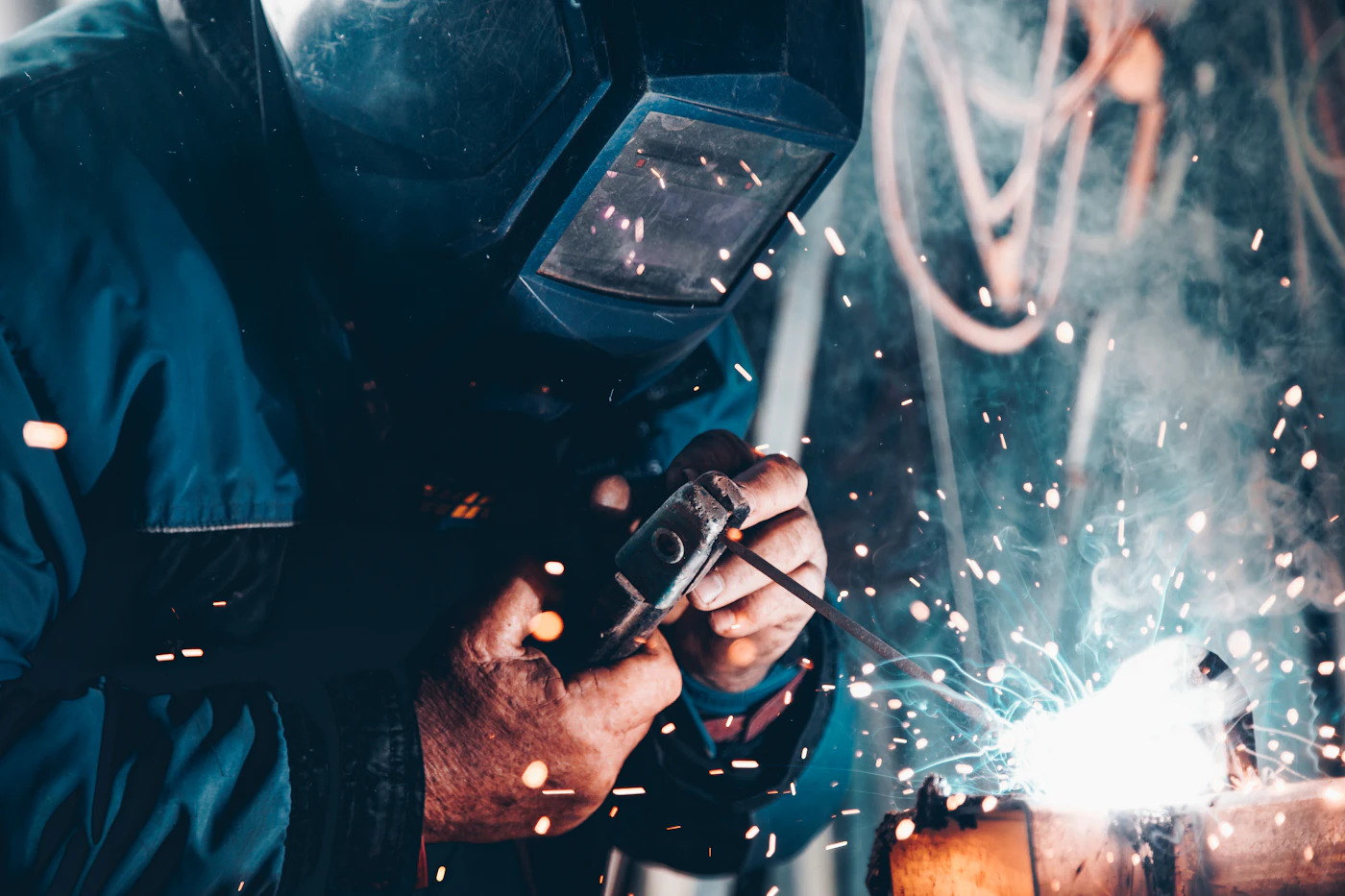
Inspection Services
Independent third-party inspection services aligned to ISO/IEC 17020 — providing objective assessment of products, installations, processes and services against defined requirements, specifications or regulations.
What is ISO/IEC 17020?
RBA Registrars provides independent inspection services aligned to ISO/IEC 17020 — the international standard for conformity assessment requirements for the operation of various types of bodies performing inspection.
Our inspection activities cover product inspection, process inspection, installation inspection and regulatory inspection across a wide range of industrial and commercial sectors. We operate as a Type A independent inspection body, ensuring our inspection activities are free from any conflicts of interest with design, manufacture or supply.
Inspection provides independent, objective evidence of compliance with specifications, regulations, standards or contractual requirements — giving clients and regulators confidence in the conformity of products, processes and installations.

Objective, third-party assessment free from conflicts of interest.
Fully independent from design, manufacture and supply of inspected items.
Clear, evidenced inspection reports for acceptance, rejection or corrective action.
Supporting compliance with health, safety, environmental and quality regulations.
Aligned to the internationally recognised ISO/IEC 17020 standard.
ISO/IEC 17020 Requirements Structure
ISO/IEC 17020 specifies requirements for the competence of bodies performing inspection and for the impartiality and consistency of their inspection activities.
Key Benefits
Independent Verification
Third-party inspection provides independent, objective evidence of compliance with specifications, regulations and standards.
Regulatory Compliance
Support compliance with health, safety, environmental and quality regulations through competent, independent inspection.
Risk Reduction
Identify defects, hazards and non-conformances early in the product lifecycle or project delivery, reducing downstream risks and costs.
Supply Chain Assurance
Verify that incoming materials, components and finished products meet specifications before acceptance or dispatch.
International Credibility
Inspection results from a body aligned to ISO/IEC 17020 are recognised internationally for conformity assessment purposes.
Evidence-Based Decisions
Receive clear, documented inspection reports that provide the evidence base for acceptance, rejection or corrective action decisions.
Contributes to UN Sustainable Development Goals
Certification contributes to achieving multiple United Nations Sustainable Development Goals (SDGs), supporting your organisation's sustainability commitments and ESG reporting.
Who Should Certify?
Our inspection services cover a broad range of sectors and inspection types. Contact us to discuss your specific inspection requirements.
The Process
Our certification process is structured, transparent and aligned with international accreditation requirements.
Submit your inspection request with details of the item, process or installation to be inspected, applicable standards, and scheduling requirements.
We review the request, confirm the inspection scope, applicable criteria, required competencies and assign a qualified inspector.
Our inspector conducts the inspection using calibrated equipment, documented methods and checklists aligned to the applicable standards or specifications.
A detailed inspection report is issued documenting findings, observations, measurements, photographs and the compliance determination.
Where non-conformances are identified, follow-up inspection may be conducted to verify that corrective actions have been effectively implemented.
Ready to Begin?
Contact our team to discuss your ISO/IEC 17020 requirements and receive a tailored proposal.
Request a Quote →